


Why Your Bobcat Fork Lift Setup Matters
When it comes to workplace inspections and compliance, the real concern is whether your equipment is properly configured before issues arise. A bobcat fork lift setup must not only perform efficiently but also meet evolving environmental and safety expectations. Businesses working with Glosrose understand that preparation is key to avoiding complaints, downtime, or regulatory penalties.
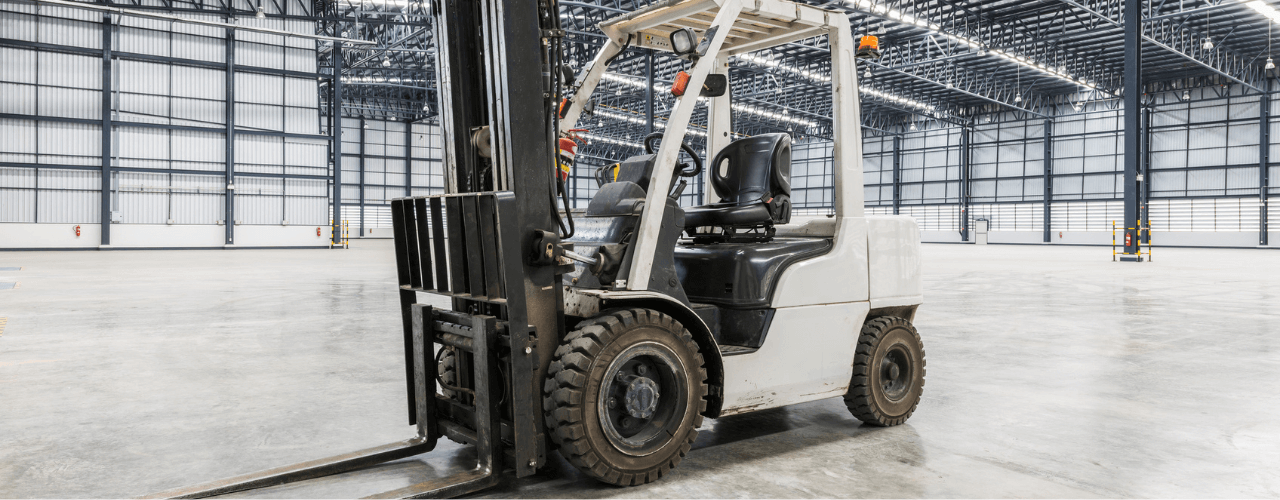
Noise regulations are becoming stricter across industrial and construction environments. Equipment used outdoors—including forklifts and similar machinery—must comply with defined standards for sound emissions and proper documentation. This makes it essential to assess your setup before inspections happen.
Understanding Noise Regulations and Compliance
Modern regulations require machinery to meet specific noise emission standards, particularly when used in public or urban environments. Equipment must often display verified sound levels and include proper conformity documentation.
Forklifts, especially combustion-engine models, may fall under categories that require noise marking or limits. This means businesses must ensure their Bobcat fork lift is not only operational but also compliant with these technical requirements.
Failure to meet these standards can lead to complaints from nearby communities or even enforcement actions during inspections. This is why proactive setup and maintenance are essential.
Key Factors That Affect Noise Levels
Several elements influence how much noise your equipment produces:
- Engine condition: Poorly maintained engines tend to generate higher noise levels.
- Work environment: Enclosed or reflective spaces can amplify sound.
- Operational habits: Speed, load handling, and abrupt movements increase noise output.
- Equipment configuration: Incorrect attachments or worn components can add unnecessary sound.
Bobcat forklifts are known for durability and safety-focused design, but regular checks are still critical. Routine inspections—such as brake testing, tyre condition checks, and load balance—help maintain both safety and quieter operation.
Preparing for Inspections and Avoiding Complaints
To stay ahead of stricter rules, businesses should adopt a proactive approach:
- Conduct pre-use inspections daily
- Maintain accurate technical documentation
- Monitor and record noise levels where required
- Train operators on smooth and controlled handling
- Ensure all components meet manufacturer standards
These steps not only reduce noise but also demonstrate compliance during audits or inspections.
Why Choose Glosrose for Bobcat Fork Lifts
With over 40 years of experience in mechanical equipment, Glosrose provides reliable solutions for businesses that depend on high-performance machinery. Their expertise ensures that every Bobcat fork lift is not just powerful but also aligned with modern compliance requirements.
By choosing Glosrose, companies gain access to quality equipment, expert guidance, and long-term operational confidence.
Final Thoughts
The question is no longer whether noise regulations will impact your operations—it’s whether your setup is ready. A well-maintained and properly configured Bobcat fork lift helps prevent complaints, ensures smoother inspections, and protects your business from costly disruptions.
Staying compliant today means staying competitive tomorrow.