

A blocked ear can be uncomfortable and frustrating. It occurs when the ear canal, middle ear, or inner ear is obstructed, preventing normal hearing and causing a feeling of fullness. Understanding the causes of a blocked ear is essential for proper blocked ear treatment.
Common Causes of Ear Blockage
1. Earwax Buildup
Earwax, also called cerumen, naturally protects the ear from dust and bacteria. However, excessive wax can harden and block the ear canal. This is one of the most frequent reasons people seek blocked ear treatment.
2. Ear Infections
Infections in the outer ear (otitis externa) or middle ear (otitis media) can cause swelling, fluid buildup, and discomfort. Middle ear infections often lead to fluid accumulation, making the ear feel blocked and muffled.
3. Eustachian Tube Dysfunction
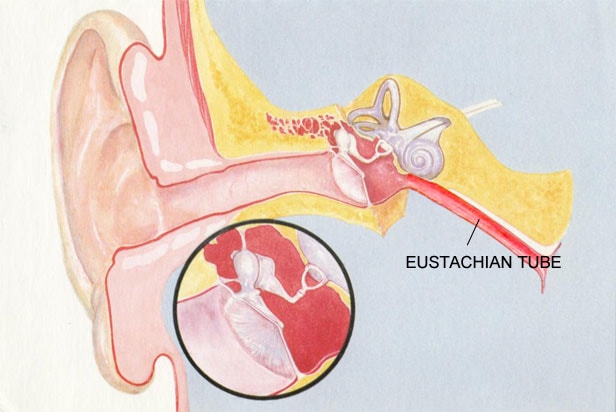
The Eustachian tube connects the middle ear to the back of the throat. If it becomes inflamed due to allergies or sinus infections, it can trap air and fluid, causing a sensation of a blocked ear.
4. Foreign Objects
Sometimes, small objects or water trapped in the ear canal can cause blockage. This is more common in children and can require professional removal for safe blocked ear treatment.
Symptoms That Require Attention
Blocked ears may cause:
- Muffled hearing
- Ear fullness or pressure
- Ringing (tinnitus)
- Mild dizziness
- Pain or discomfort
If these symptoms persist, it is important to consult a healthcare professional. Untreated ear blockage can lead to complications and prolonged discomfort.
Effective Blocked Ear Treatment Options
1. Earwax Removal
For wax buildup, professional ear cleaning or irrigation is the safest method. Over-the-counter ear drops can also soften wax before removal.
2. Medications for Infection
If an infection is causing blockage, your doctor may prescribe antibiotics or anti-inflammatory medications to reduce swelling and treat the infection.
3. Eustachian Tube Relief
Decongestants or nasal sprays can help open the Eustachian tube and restore normal ear function. Gentle maneuvers, like swallowing or yawning, may also relieve pressure.
4. Professional Care for Foreign Objects
Do not attempt to remove objects yourself. Seek professional care to avoid injury and ensure effective blocked ear treatment.
Preventing Ear Blockage
Regular ear hygiene, avoiding cotton swabs deep inside the ear canal, and managing allergies can prevent most blockages. Staying hydrated and using safe ear protection during swimming can also help maintain ear health.
Conclusion
A blocked ear can significantly affect daily life, but effective blocked ear treatment is available. Identifying the cause—whether wax buildup, infection, or Eustachian tube issues—is essential for proper management. Consult a healthcare professional for persistent symptoms to restore hearing and comfort safely.
Visit Us Now: https://www.harleystreetent.com/Our-Services/Ear/Ear-Symptoms/Ear-Blockage